Although you don’t listen to Chinese music in your everyday life, the songs of Teng Li-Chun will make you feel nostalgia every time you hear her music.
Although you don’t know who Teng Li-Chun is, you will recognize her music once it plays.
Although Teng Li-Chun’s has been long gone, her music is immortal.
Although you don’t know who Teng Li-Chun is, you will recognize her music once it plays.
Although Teng Li-Chun’s has been long gone, her music is immortal.
%20(2).png)
FINDING TERESA
This exhibition will take you on a walk back to remember Asia's eternal queen of pop ‘Teng Li-Chun’ through a reinterpretation of songs and plays by the local in Yaowarat, a neighborhood where many shops still play her songs to this day.
This exhibition will take you on a walk back to remember Asia's eternal queen of pop ‘Teng Li-Chun’ through a reinterpretation of songs and plays by the local in Yaowarat, a neighborhood where many shops still play her songs to this day.

Biography
Teng Li-Chun or Teresa Teng was born in 1953 in Taiwan. Her family emigrated from mainland China to establish new life in 1949 in Taiwan. Teng Li-Chun’s father served in the National Army under the leadership of Chiang Kai-shek.
Teng Li-Chun’s talent as an artist had been spotted since her childhood. In her elementary school years, she started to enter singing contests and won many times since then and started to perform singing in public. In the late 60s, Teng Li-Chun, continually joining singing competitions and winning, soon began to gain more and more attention in the music industry.
In 1968, Teng Li-Chun, at 15, signed a contract with a record label to make her own album. She had appeared in many charity singing events before she was finally reached out to give performances in Singapore and Malaysia. She also released an album in Japan, once known as a center of music industry at that time. Teng Li-Chun had soon become popular across Asia that she became known as the queen of Chinese pop.Teng Li-Chun was a singer who had talent for languages. She could sing in several languages including Mandarin, Cantonese, Hokkien, Japanese, Indonesian and English.
Throughout her singing career, she had various all-time hits, for example, Goodbye My Love (1974), The Moon Represents My Heart (1977), Tian Mi Mi (1979), I Only Care About You (1990.)
Teng Li-Chun or Teresa Teng was born in 1953 in Taiwan. Her family emigrated from mainland China to establish new life in 1949 in Taiwan. Teng Li-Chun’s father served in the National Army under the leadership of Chiang Kai-shek.
Teng Li-Chun’s talent as an artist had been spotted since her childhood. In her elementary school years, she started to enter singing contests and won many times since then and started to perform singing in public. In the late 60s, Teng Li-Chun, continually joining singing competitions and winning, soon began to gain more and more attention in the music industry.
In 1968, Teng Li-Chun, at 15, signed a contract with a record label to make her own album. She had appeared in many charity singing events before she was finally reached out to give performances in Singapore and Malaysia. She also released an album in Japan, once known as a center of music industry at that time. Teng Li-Chun had soon become popular across Asia that she became known as the queen of Chinese pop.Teng Li-Chun was a singer who had talent for languages. She could sing in several languages including Mandarin, Cantonese, Hokkien, Japanese, Indonesian and English.
Throughout her singing career, she had various all-time hits, for example, Goodbye My Love (1974), The Moon Represents My Heart (1977), Tian Mi Mi (1979), I Only Care About You (1990.)
In every China town, Teng Li-Chun’ songs are always played in the background. Yaowarat is one of the road that you will hear songs of this queen of Chinese pop. Let’s hear what the locals in Yaowarat have to say about their bond with Teng Li-Chun’s music.
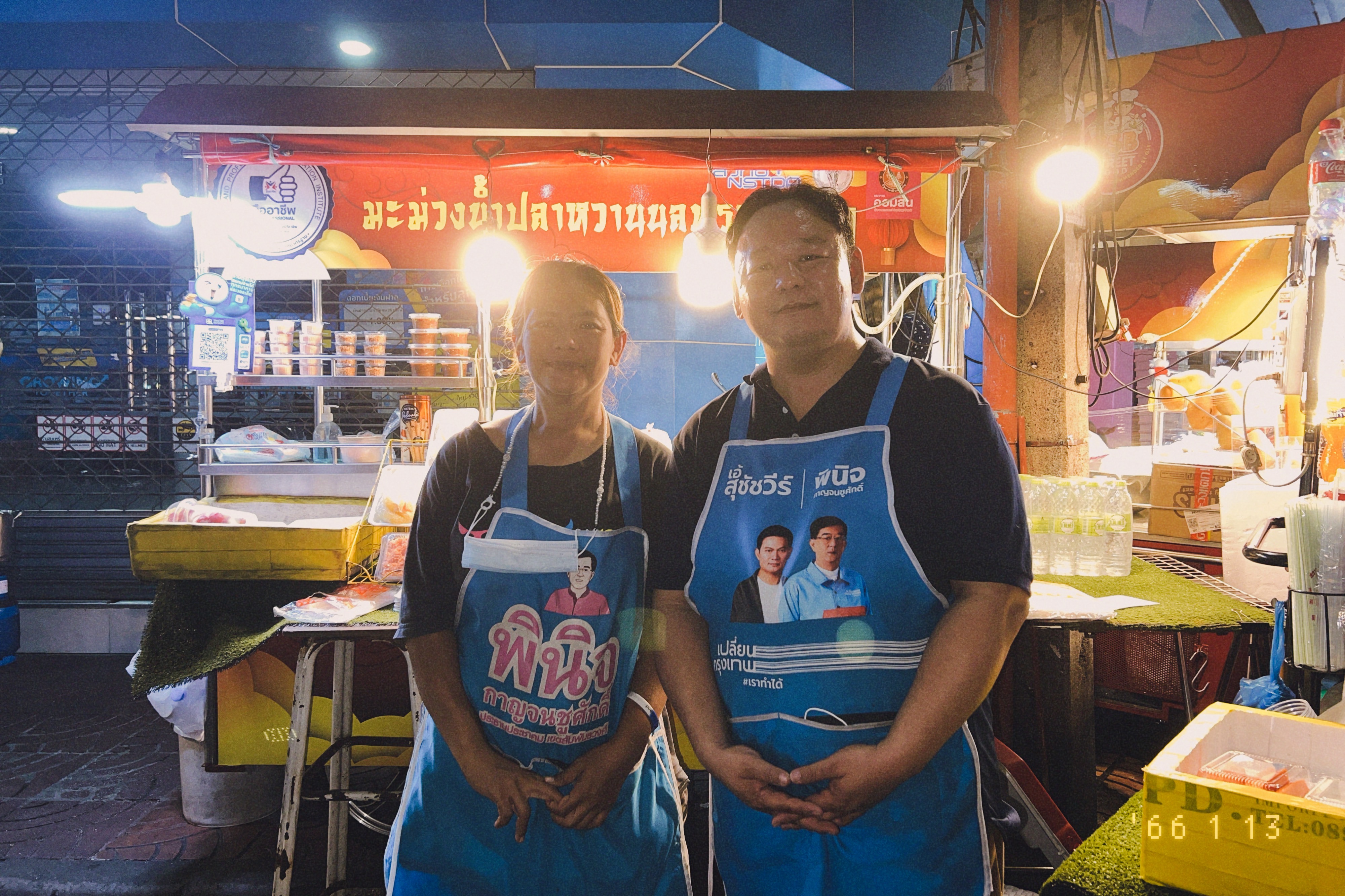
Petch, Pongsakorn Chookittiphornsak, Nonlapan green Mango with sweet fish sauce shop (Yaowarat)
“I listened to her songs since I was young. Record and cassette stores usually played Teng Li-Chun’s music back then. Her songs were played at gold shops as well. Sometimes, I caught some songs I like and had to find out who sang these songs. I still play her songs to this day when I set up my shop.”
“I listened to her songs since I was young. Record and cassette stores usually played Teng Li-Chun’s music back then. Her songs were played at gold shops as well. Sometimes, I caught some songs I like and had to find out who sang these songs. I still play her songs to this day when I set up my shop.”
.jpeg)
Seller at Chang Pae Heng Ying Tae almond milk and Chinese and Thai herbal tea
“Back in the day, I listened to her songs through Chinese music radio. I still hear Teng’s songs being played at karaoke places nowadays. People love to sing her songs. They remind me of the atmosphere when watching midnight movies at cinemas like Odeon cinema, Warner cinema, Srirachawong cinema, Si Yaowarat cinema…”
“Back in the day, I listened to her songs through Chinese music radio. I still hear Teng’s songs being played at karaoke places nowadays. People love to sing her songs. They remind me of the atmosphere when watching midnight movies at cinemas like Odeon cinema, Warner cinema, Srirachawong cinema, Si Yaowarat cinema…”
.jpeg)
Seller at lucky key chains and stones shop
“Her songs bring me back to around 1975-1976 when I was working with my Taiwanese coworkers. They played Teng’s songs every day, also songs by Zhang Xiao Ying. She made a hit before. And then, it was Teng Li-Chun who took over.”
“Her songs bring me back to around 1975-1976 when I was working with my Taiwanese coworkers. They played Teng’s songs every day, also songs by Zhang Xiao Ying. She made a hit before. And then, it was Teng Li-Chun who took over.”
.jpeg)
Seller at Ming Khao Tom Ped
“I heard Teng Li-Chun from a cassette tape player. My parents listened to her music and I listened with them. When singers in Thailand perform Deng’s songs, it makes me think of the old time where people still enjoyed music CDs. They always played Deng’s music.”
“I heard Teng Li-Chun from a cassette tape player. My parents listened to her music and I listened with them. When singers in Thailand perform Deng’s songs, it makes me think of the old time where people still enjoyed music CDs. They always played Deng’s music.”
“Deng ruled during the day, but the other Teng took over at night” and
“People listen to the first Deng because the situation forced them to do, but they listen to the other Teng because they wanted to do.”
Both Deng/Teng respectively mentioned were Deng Xiaoping and Teng Li-Chun. The two shared the surname ‘Deng/Teng.’
“People listen to the first Deng because the situation forced them to do, but they listen to the other Teng because they wanted to do.”
Both Deng/Teng respectively mentioned were Deng Xiaoping and Teng Li-Chun. The two shared the surname ‘Deng/Teng.’

Who would have imagined that Asia's eternal queen of pop would be involved in politics and relations between China and Taiwan this much
Although she had been referred as the Queen of Chinese songs, the Chinese government banned her songs.The popularity of her songs reached mainland China in the aftermath of the Cultural Revolution. With her background as the daughter of a military officer, Teng Li-Chun got to sing to stir up soldiers’ spirit of the Republic of China on a mission against Red China with the Republic of China’s patriotic song, Mei Hua, the symbol of Kuomintang and Taiwan.
In 1979, Teng Li-Chun was arrested in Japan for using a fake passport by using a bought Indonesian passport to enter the country. She got banned from Japan for this and also got banned in Taiwan with heavy criticism by Taiwanese about the incident that she used an Indonesian passport. This made her had to move to America. With her relocation to America, she found a large number of immigrant Chinese fans who called for her concert there. After a long stay in America, Taiwanese government allowed Teng Li-Chun to return to her home country on condition that she had to work for Taiwanese government by singing for the military and that’s where she was called ‘The Soldier’s Sweet Heart.’
Even Chinese Communist Party had also approached Teng Li-Chun about a performance in mainland China. She accepted the request and the concert tickets were sold out in just one day. However, the show got canceled at the last minute by Chinese Communist Party due to her spirit as a daughter of Kuomintang’s officer and Teng Li-Chun support of democracy which had influenced her life growing up after the end of martial law. Chinese Communist Party concerned that Teng Li-Chun would give a speech against the party's ruling regime and stated that her music was a spiritual pollution that opposed communist ideas. This made Teng Li-Chun so furious that she declared that
In 1979, Teng Li-Chun was arrested in Japan for using a fake passport by using a bought Indonesian passport to enter the country. She got banned from Japan for this and also got banned in Taiwan with heavy criticism by Taiwanese about the incident that she used an Indonesian passport. This made her had to move to America. With her relocation to America, she found a large number of immigrant Chinese fans who called for her concert there. After a long stay in America, Taiwanese government allowed Teng Li-Chun to return to her home country on condition that she had to work for Taiwanese government by singing for the military and that’s where she was called ‘The Soldier’s Sweet Heart.’
Even Chinese Communist Party had also approached Teng Li-Chun about a performance in mainland China. She accepted the request and the concert tickets were sold out in just one day. However, the show got canceled at the last minute by Chinese Communist Party due to her spirit as a daughter of Kuomintang’s officer and Teng Li-Chun support of democracy which had influenced her life growing up after the end of martial law. Chinese Communist Party concerned that Teng Li-Chun would give a speech against the party's ruling regime and stated that her music was a spiritual pollution that opposed communist ideas. This made Teng Li-Chun so furious that she declared that
"I will not set foot in the mainland until China is democratic"
(Sun Yat-sen's Three Principles of the People.)
(Sun Yat-sen's Three Principles of the People.)
Teng Li-Chun also attended a concert dedicated to democracy in China which was held in Hong Kong under the name ‘Min Zhu Kesong Xianzhonghua’ or ‘Concert for Democracy in China.’ She also wore a shirt that read 'Down with military community'. It was the time that she made it clear that she was against the Chinese government.After the concert, she had to flee to France.
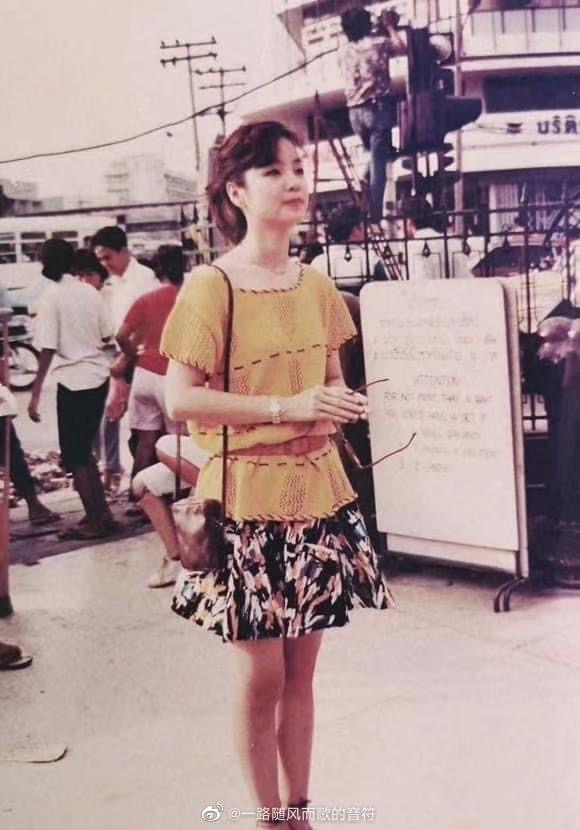
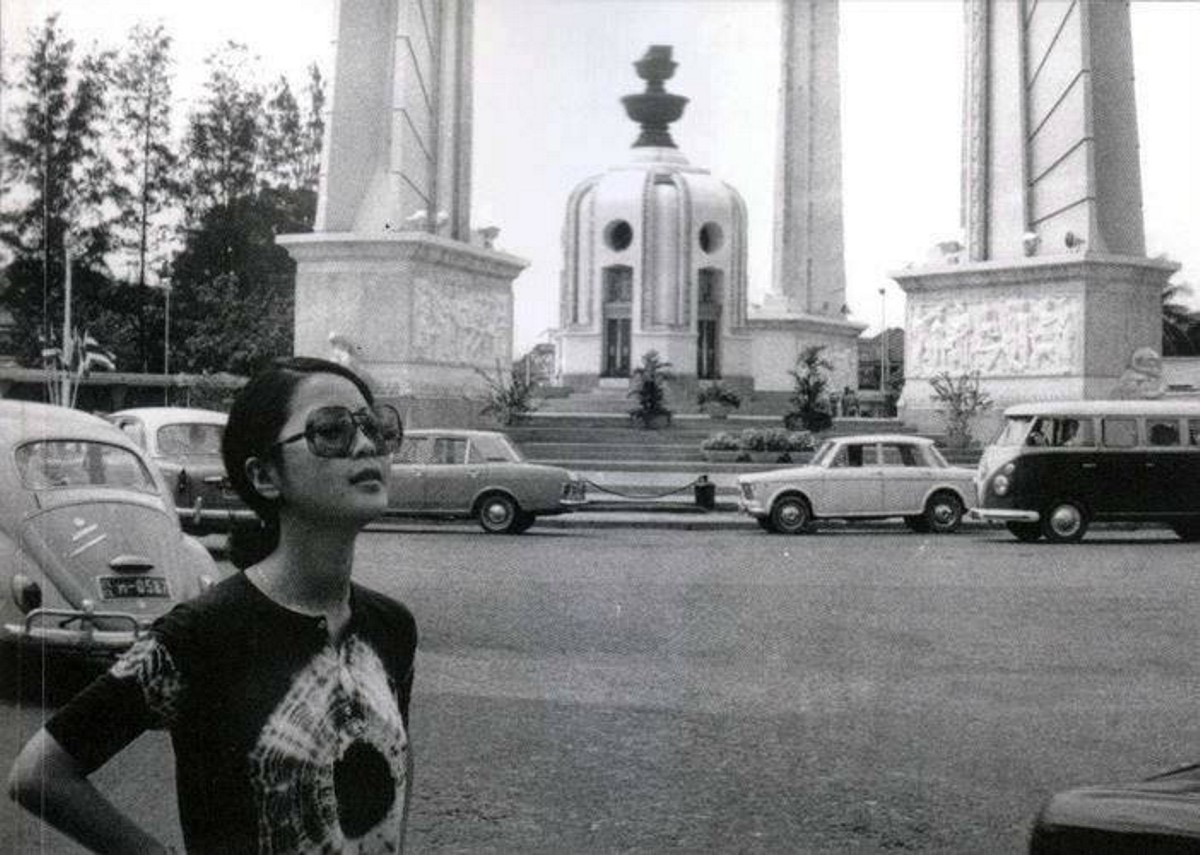
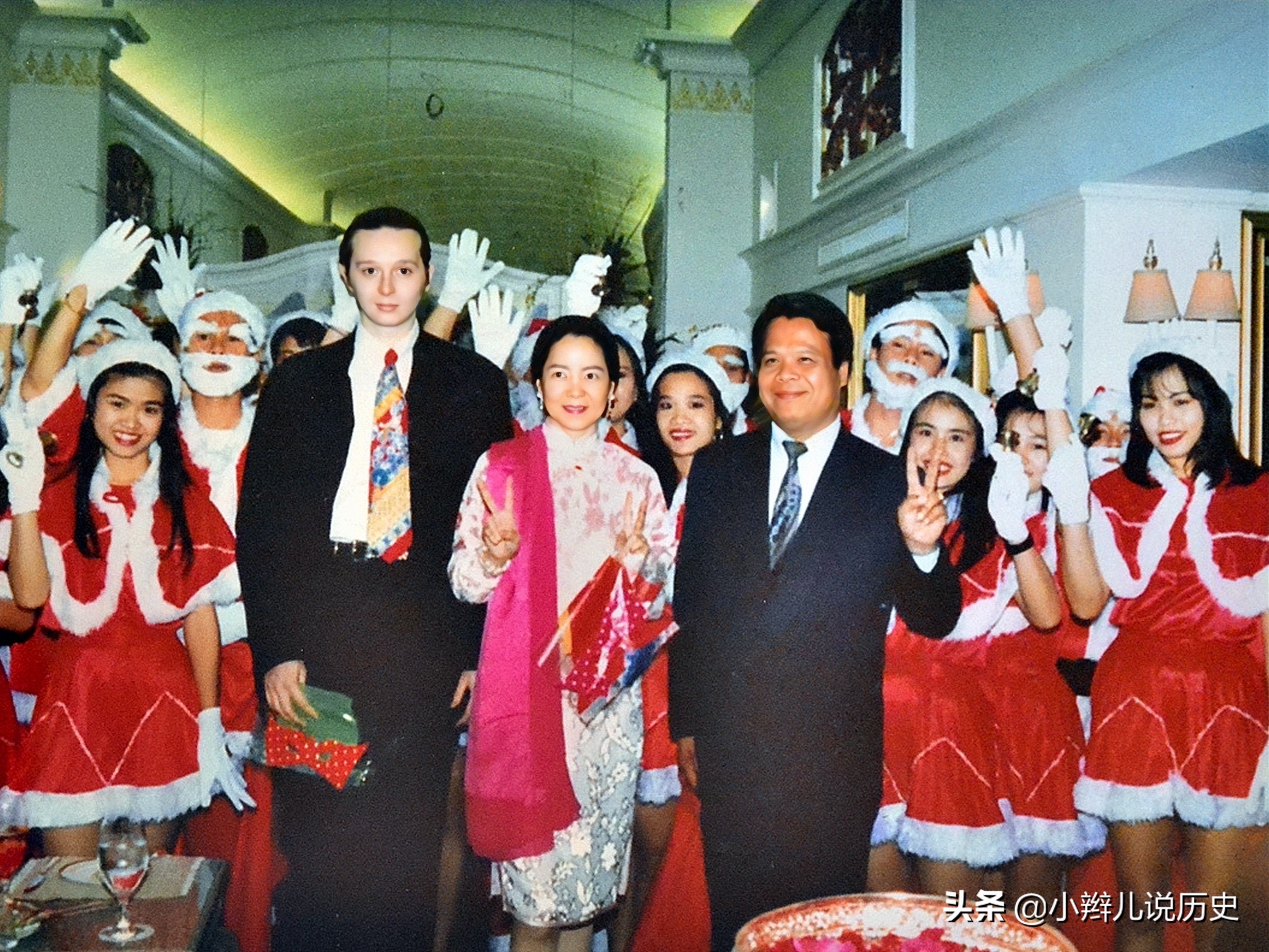
‘Teng Li-Chun’s music consists of 70% of sweetness and 30% of bitterness.’
Teng Li-Chun’s love life was as adventurous as other aspects of her life. Her first love was a Malaysian millionaire named Lin Zhenfa. The two dated until they almost got married. But with Lin Chenfa's health issue, he died of heart attack before the couple could get married. This made Deng Lijun very sad that she disappeared from the music scene for a while.
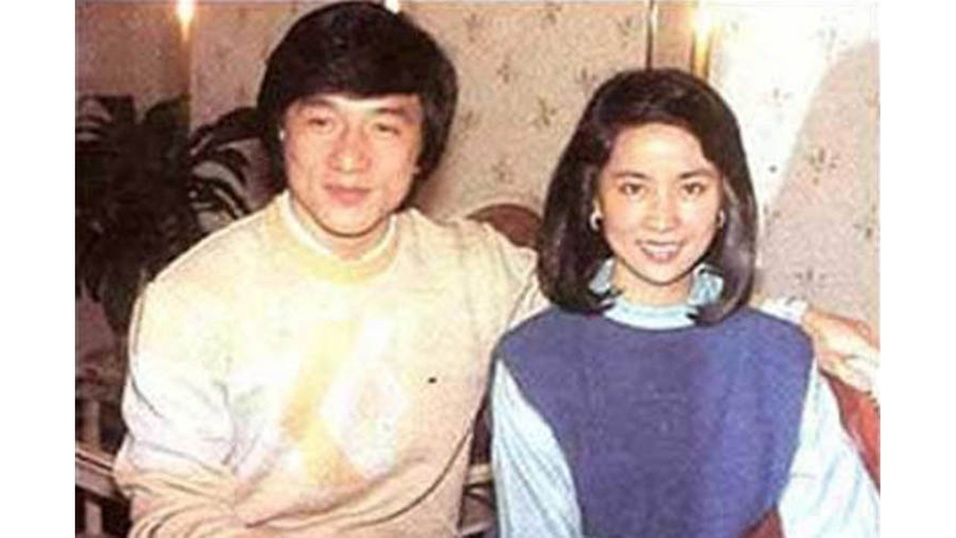
Rumor had it that she had a close relationship with Jackie Chan when she moved to America. The two met in Los Angeles. Teng Li-Chun and Jackie Chan spent their free time and ate together, but there was no confirmation that they were in a relationship.
Her love life once again caught the eye of the media when she was in a relationship with a Malaysian billionaire, Beau Kuok, founding heir of the Shangri-La Hotels Group. Teng Li-Chun and Beau Kuok decided to get engaged, but before the couple could have gotten engaged, Beau Kuok's grandmother had created a difficult condition with a total of 3 requests for Teng Li-Chun: she had to show all her assets to the Kuok family, she had to stop singing in order to become a full-time housewife for Beau and she had to stop associating with all male friends. With this condition, she decided to end her relationship with Beau Kuok.
Later, when she moved to Paris, France, she met her new love. It was during this time that she had an asthma attack. She had to go back and forth between Chiang Mai and Paris often because the weather in Chiang Mai at that time was similar to her hometown’s. Until one day in 1995, while she was staying in a hotel in Chiang Mai, she had a severe asthma attack and died of it in Chiang Mai.
Rumor had it that she had a close relationship with Jackie Chan when she moved to America. The two met in Los Angeles. Teng Li-Chun and Jackie Chan spent their free time and ate together, but there was no confirmation that they were in a relationship.
Her love life once again caught the eye of the media when she was in a relationship with a Malaysian billionaire, Beau Kuok, founding heir of the Shangri-La Hotels Group. Teng Li-Chun and Beau Kuok decided to get engaged, but before the couple could have gotten engaged, Beau Kuok's grandmother had created a difficult condition with a total of 3 requests for Teng Li-Chun: she had to show all her assets to the Kuok family, she had to stop singing in order to become a full-time housewife for Beau and she had to stop associating with all male friends. With this condition, she decided to end her relationship with Beau Kuok.
Later, when she moved to Paris, France, she met her new love. It was during this time that she had an asthma attack. She had to go back and forth between Chiang Mai and Paris often because the weather in Chiang Mai at that time was similar to her hometown’s. Until one day in 1995, while she was staying in a hotel in Chiang Mai, she had a severe asthma attack and died of it in Chiang Mai.
The movie
‘Comrades: Almost a Love Story’,
a movie released in 1996, directed by Peter Chan. Teng Li-Chun’s song "Tian Mi Mi" was used as the theme song and used as the Chinese title of the film.
‘Comrades: Almost a Love Story’,
a movie released in 1996, directed by Peter Chan. Teng Li-Chun’s song "Tian Mi Mi" was used as the theme song and used as the Chinese title of the film.
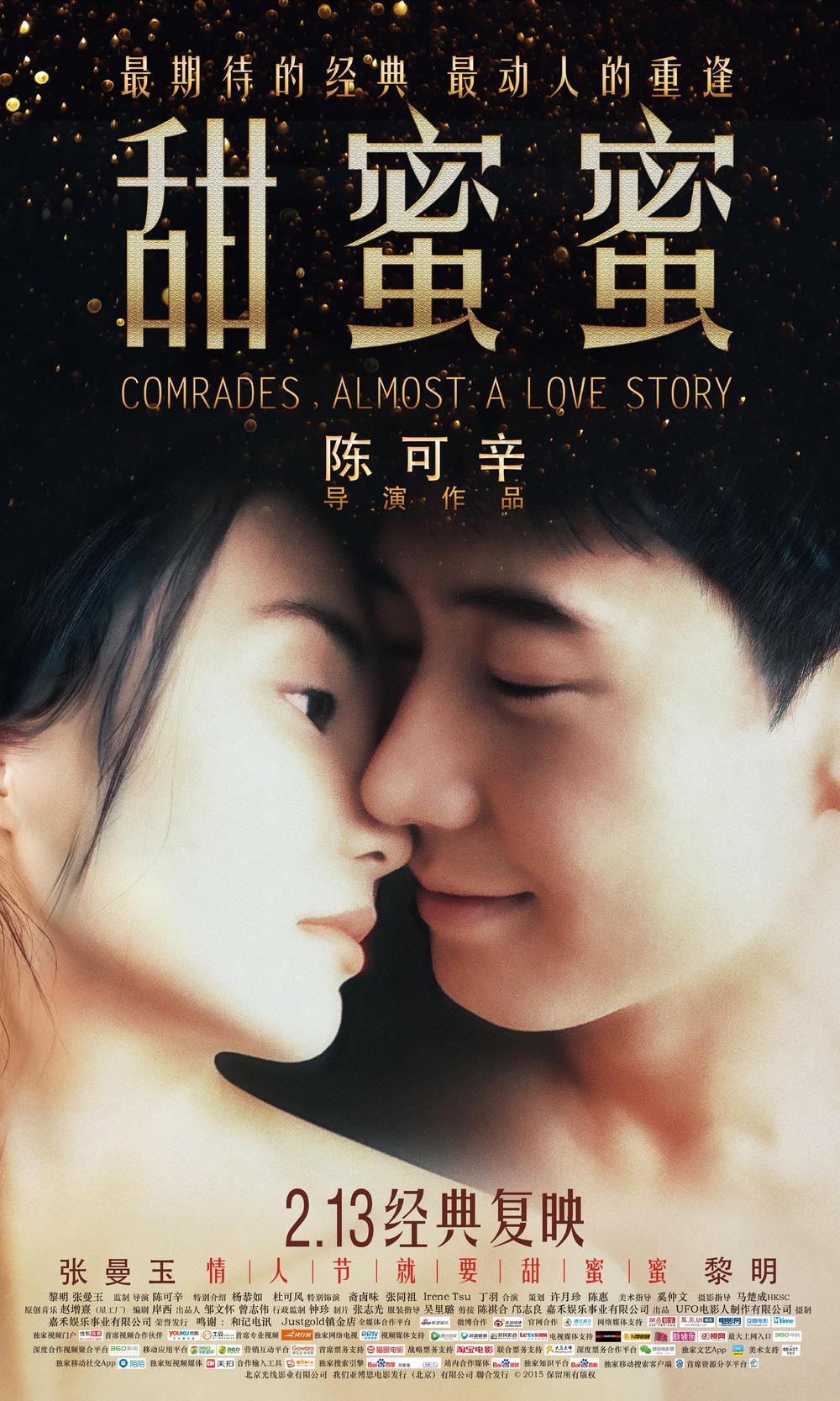
During the famine in mainland China, "Li XiaoJun" (Li Ming) and "Li Qiao" (Zhang Manyu) come to Hong Kong with hope to seek their fortune. Li XiaoJun comes to Hong Kong to save up, hoping to bring his girlfriend XiaoTing who lives in mainland China to get married and live together in Hong Kong. But fate takes a turn when Li Xiaojin meets Li Qiao. They both work at McDonald's. Li Qiao changes Li Xiaojin's life, with loneliness, their love secretly formed.
A scene in the movie where the protagonist Li XiaoJun and Li Qiao stopped in front of a television store to see the news of the death of a Taiwanese singer, Teng Li-Chun, is an important implication of the film.
Peter Chan once said in an interview that if a movie "Comrades" in America, the setting would have taken place in the 1970s and the movie would have ended with the news of John Lennon's death.
That suggests the status and importance of Teng Li-Chun to the Chinese people (in many countries around the world) is no different from Lennon's status and importance to Westerners.
A scene in the movie where the protagonist Li XiaoJun and Li Qiao stopped in front of a television store to see the news of the death of a Taiwanese singer, Teng Li-Chun, is an important implication of the film.
Peter Chan once said in an interview that if a movie "Comrades" in America, the setting would have taken place in the 1970s and the movie would have ended with the news of John Lennon's death.
That suggests the status and importance of Teng Li-Chun to the Chinese people (in many countries around the world) is no different from Lennon's status and importance to Westerners.